When I first started all these new workout classes, I used to hear things like – “you can burn 800 to 1000 calories”! It sounded mightily impressive and it got me thinking of all the tubs of Haagen Dazs ice cream I could devour after class. After attending numerous sessions that I tracked on my Garmin, I was confused to discover that I could only burn an average of 300-4oo calories. In fact, I think I only ever hit 400 calories once. The rest of my workouts hovered around the 350 mark, give or take.
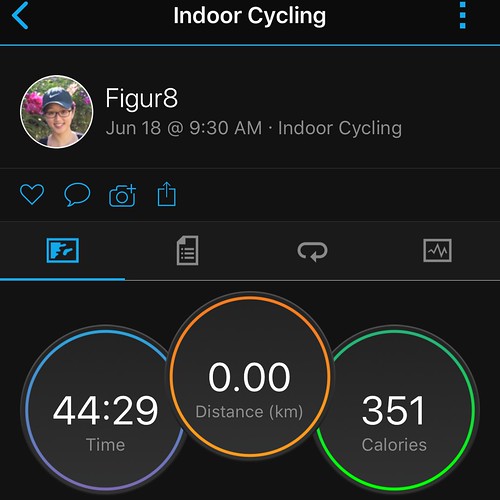
What was going on? Was I not working hard enough? I was coming out of those workouts raining sweat. There were times my legs were so jelly that I thought I might tumble down the stairs. It was not uncommon for my heart rate to hit 200, with an average heart rate anywhere between 160 to 180. I know there were times when I took it easy, but when I pushed, I really pushed hard. I’m talking the “I think I’m going to puke”-kinda hard.
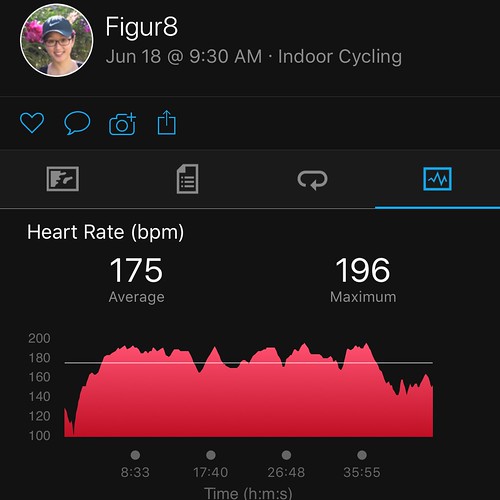
So no – 800 to 1000 calories per class is impossible. For me anyway. It’s not even the average, and I’m no feather-weight.
The Afterburn
The so-called “afterburn effect” is more officially known as excess post-exercise oxygen consumption or simply, EPOC. And it isn’t new in the world of fitness. Several studies suggest there’s a strong correlation between the number of calories burned post exercise and the activity’s intensity. Simply put: The more intense the exercise, the more oxygen your body consumes afterward. – Greatist
Some time back, I was talking to one of the instructors after class and he finally clarified it for me. It’s not 800-1000 calories during the class, it’s 800-1000 calories across the day. The workout boosts your metabolism so that you keep burning extra calories throughout the rest of the day. That afterburn will bring your calorie tally up to 800-1000 calories.

I’ve since verified it on my Garmin and it’s true. I can clock as much as 1000 active calories a day after a particularly intense workout. Bring on the Haagen Daz!
It’s probably worth noting that the afterburn is different depending on the workout you do. For instance, I don’t get much of an afterburn from a rowing workout – probably because I don’t push quite as hard. Generally, the harder and longer you work out, the greater the afterburn effect. If you want to cut down your workout time, try a HIIT workout (High Intensity Interval Training). They are shorter but just as effective for generating that afterburn.
HIIT is a training technique which involves intense bursts of high-intensity exercise followed by varied periods of low-intensity active rest, or complete rest. HIIT can be a great option for staying in shape when time is an issue, as you can get an amazing fat-burning workout in 20 minutes or less. The true benefits of HIIT come from its effects post-workout. HIIT has been shown to elevate the metabolism for hours after your workout, essentially turning you into a fat-burning machine if done correctly and with adequate intensity. – Muscle and Fitness
So there you go… always ask for the qualifiers when they say you can burn x number of calories from doing this workout.
Discover more from Aletheiaphysis
Subscribe to get the latest posts sent to your email.
